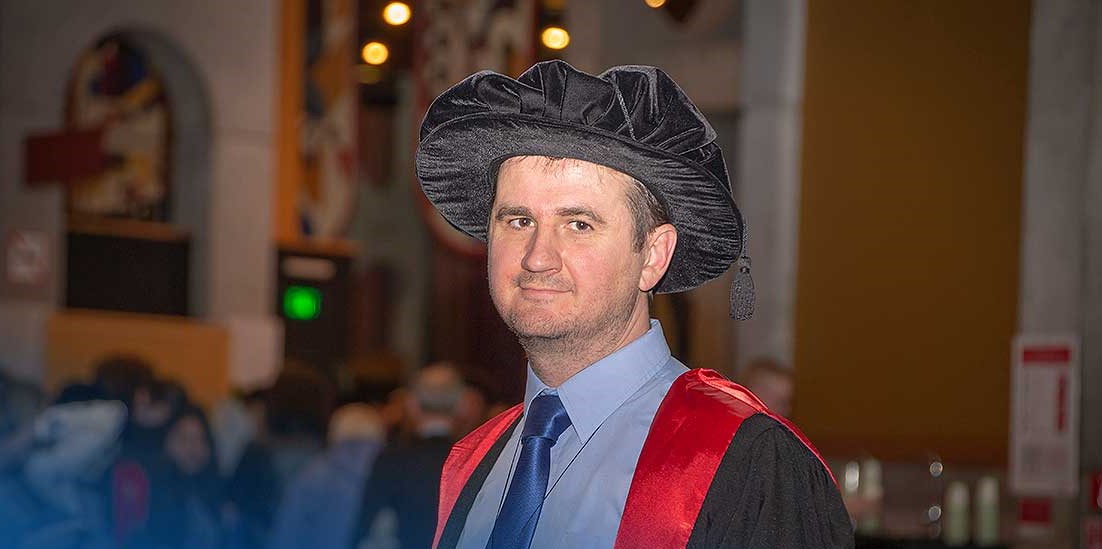
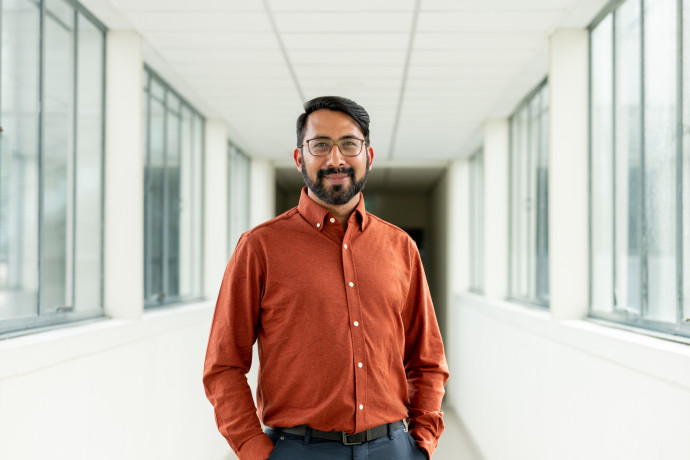
Dr. Leon Salter @ Massey University’s Graduation Ceremony
Dr. Leon’s project is titled. “Examining the effects of the expansion of gig work on health and wellbeing in a post-pandemic economy.”It uses the culture-centered approach (CCA) to create a framework for worker organizing in the gig economy. Dr. Leon will be housed at CARE: Center for Culture-Centered Approach to Research and Evaluation in doing this work.
The social impact of this work is in creating a framework for safeguarding worker rights through collaborations with unions and advocates, and is at the frontiers of the kinds of questions we ought to be grappling with in the context of the Artificial Intelligence (AI) economy.Congratulations again on this amazing acheivement.
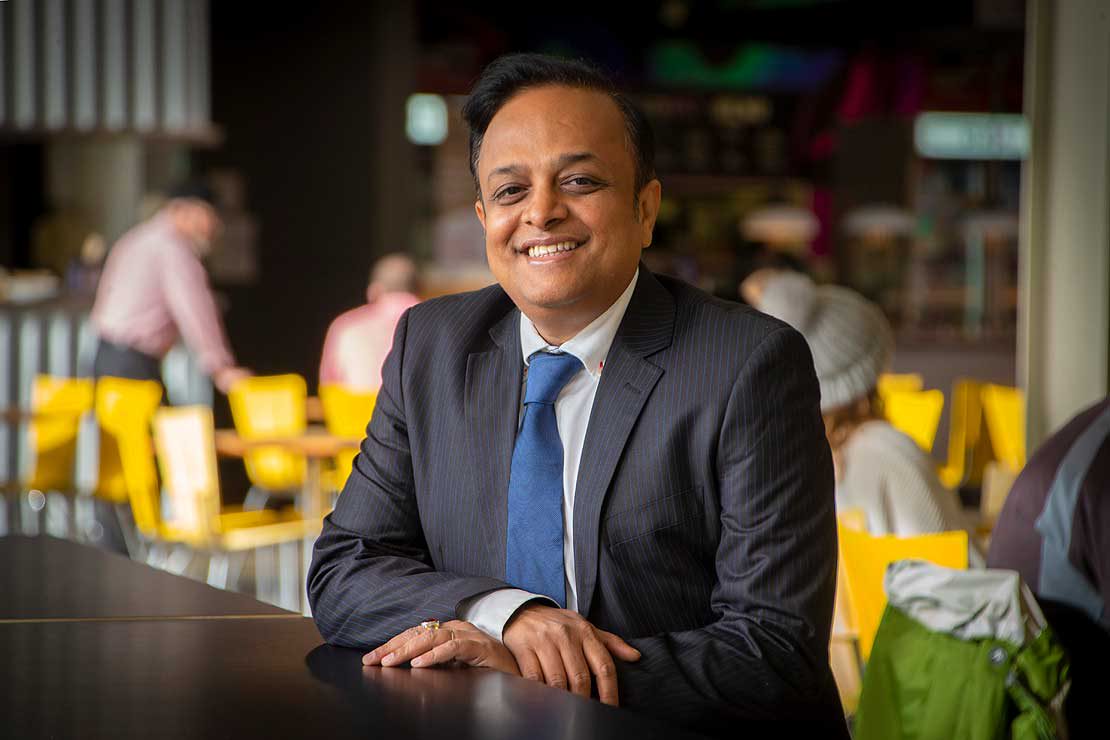
Professor Mohan J Dutta, from the School of Communication, Journalism and Marketing, has been named as the 2021 Aubrey Fisher Mentorship Award winner.
The award, presented by the International Communications Association, was first initiated in 1988 and honors outstanding scholars, teachers and advisors who have had a major impact in the field of communication.
The Aubrey Fisher Award is the highest recognition for mentorship in the discipline of communication and most importantly, recipients of this award are recognised to have influenced their former students, who themselves are important figures working in the field of communication.
His nomination states, “the discipline is more inclusive today, to a large part because of Mohan’s tireless advocacy. Mohan’s courage in questioning consistently disciplinary #Whiteness is one of most powerful testimonies to his mentorship. This mentorship role extends much beyond us, his advisees, as he inspires students of colour across the discipline and works to make space for them.”
Professor Dutta says he is honoured to be recognised with the award. “This award for me is one of the most powerful recognitions of my lifetime of mentoring students, community organisers and activists”.
Professor Dutta is Dean’s Chair Professor of Communication. He is the Director of the Center for Culture-Centered Approach to Research and Evaluation (CARE), developing culturally-centred, community-based projects of social change, advocacy, and activism that articulate health as a human right.
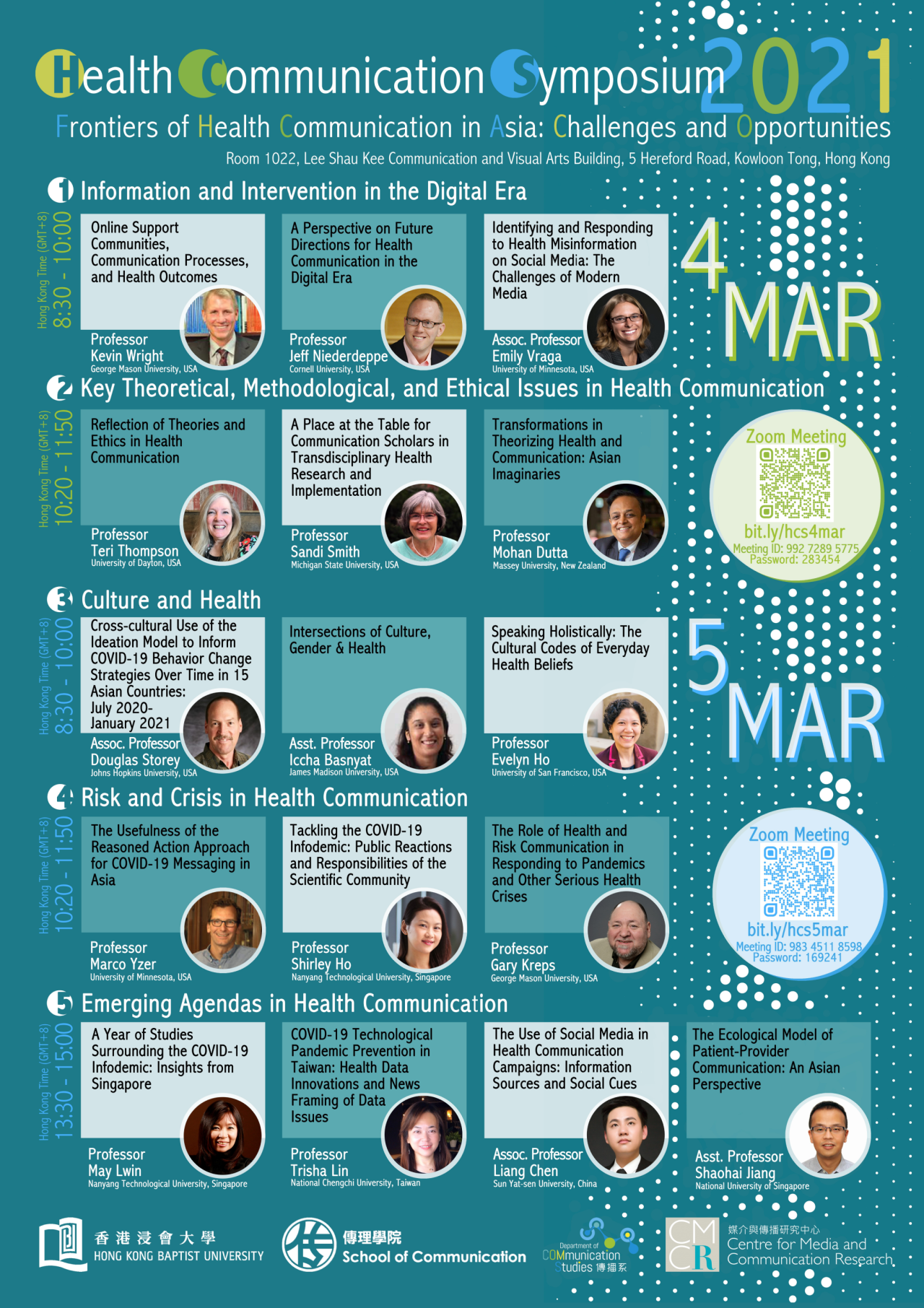
Health communication research has experienced a rapid grown in recent years in Asia. The diverse and rich Asian cultures, socio-economic modes, policy regulations, and familial factors contribute to a wide range of exciting research agendas and provide enormous opportunities to advance knowledge about the meanings and practices of health as well as the explanation, prediction, intervention, and control of disease and illness. This symposium invites researchers to share their observations of challenges of and opportunities for conducting health communication research in the Asia contexts or from the Asian perspectives. Key issues to be interrogated in this symposium include, but are not limited to, theorization, technology, culture, risk and crisis, and provider-patient relations in health communication with an Asian focus.
Organizer: Centre for Media & Communication Research, School of Communication, Hong Kong Baptist University
Day 1: March 4 Panel 1. 8:30-10:00 am
Information and Intervention in the Digital Era
Panel 2. 10:20-11:50 am Key Theoretical, Methodological, and Ethical Issues in Health Communication
Day 2: March 5 Panel 3. 8:30-10:00 am Culture and Health
Panel 4. 10:20-11:50 am Risk and Crisis in Health Communication
Panel 5. 1:30-3:00 pm Emerging Agendas in Health Communication
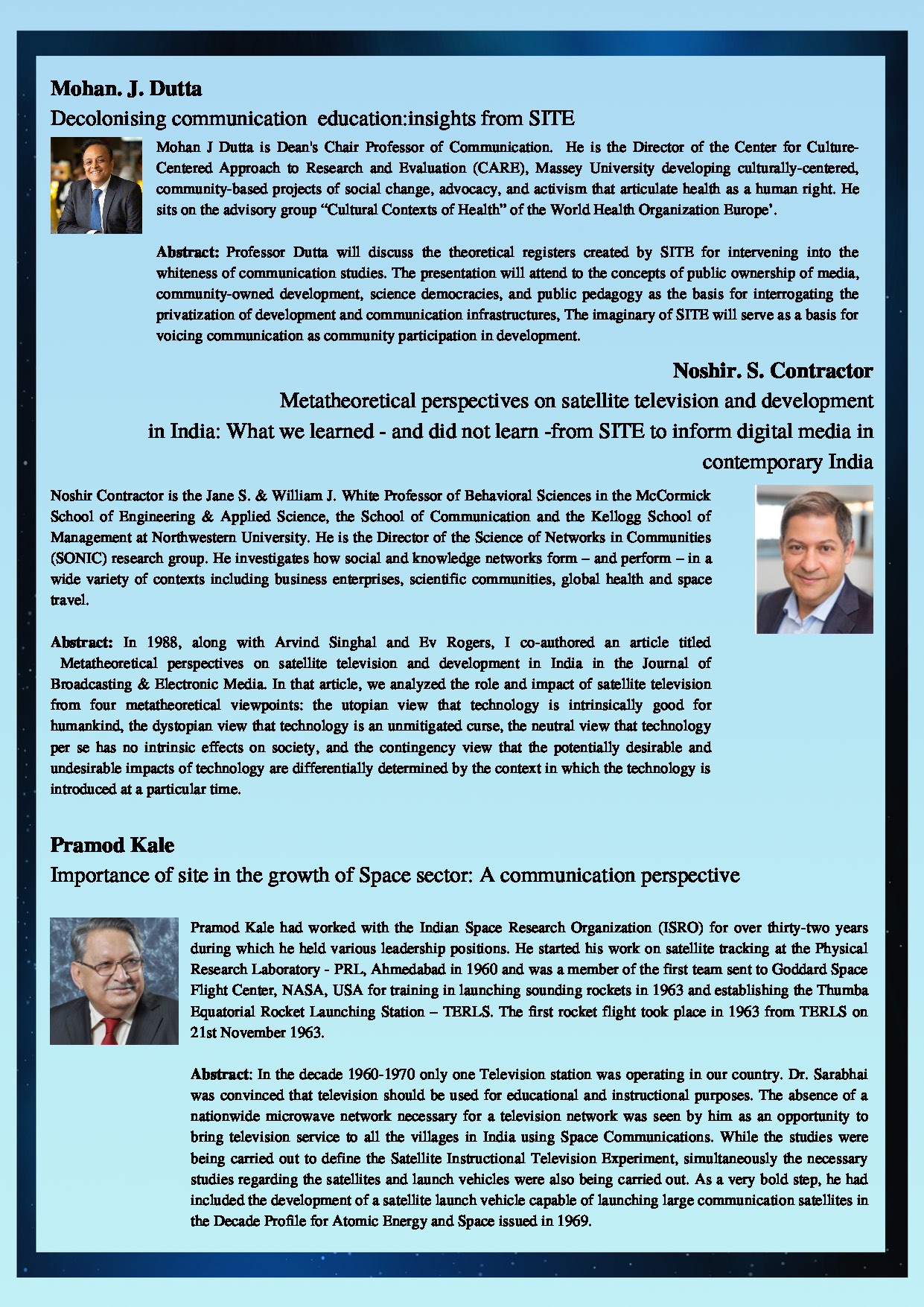
Mohan J Dutta is Dean’s Chair Professor of Communication.He is the Director of the Center for Culture-Centered Approach to Research and Evaluation (CARE), Massey University developing culturally-centered,community-based projects of social change, advocacy, and activism that articulate health as a human right. Hesits on the advisory group “Cultural Contexts of Health” of the World Health Organization Europe’.Abstract:Professor Dutta will discuss the theoretical registers created by SITE for intervening into thewhiteness of communication studies. The presentation will attend to the concepts of public ownership of media,community-owned development, science democracies, and public pedagogy as the basis for interrogating theprivatization of development and communication infrastructures,
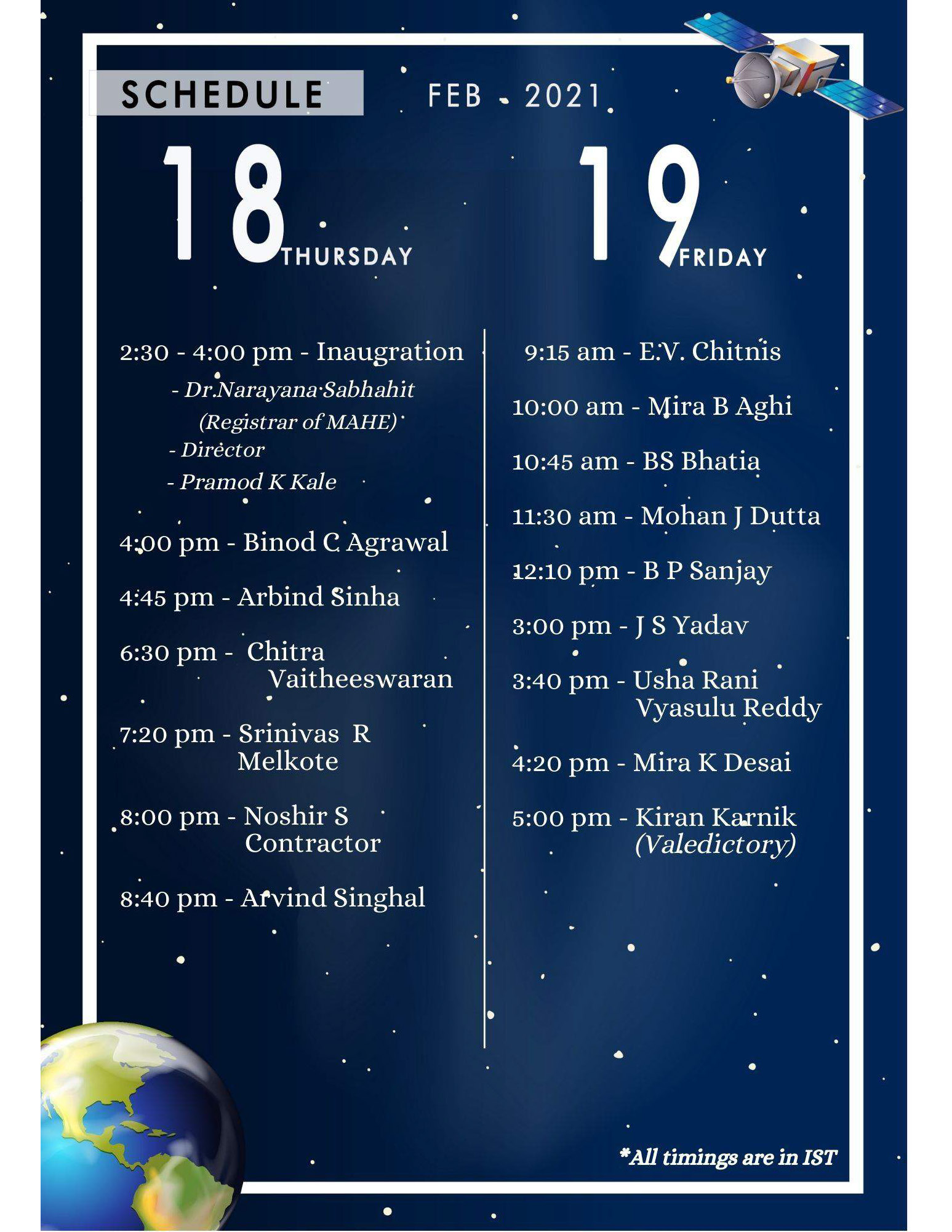
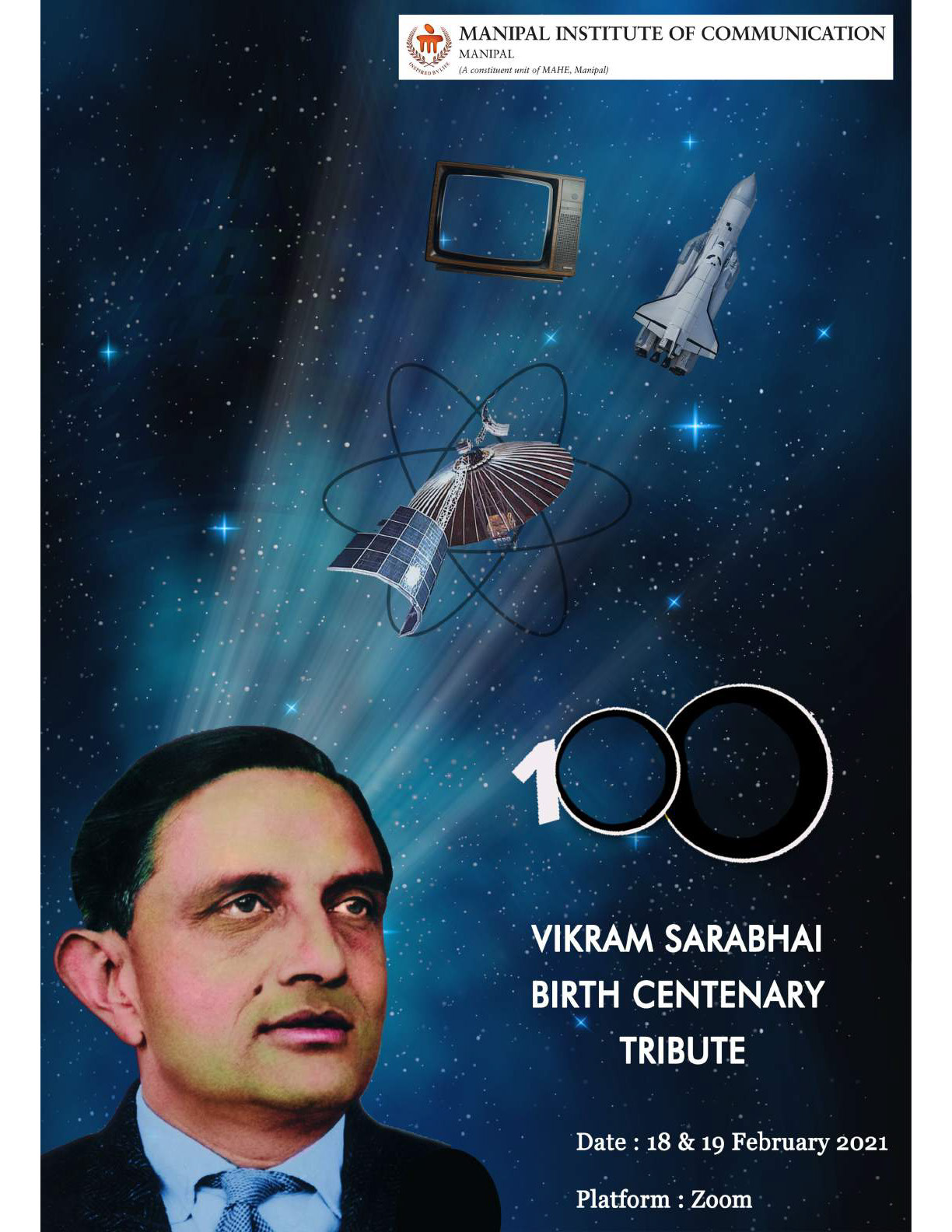
MIC is a premier media and communication studies institution in India.MIC is organising a webinar in honour of Dr Vikram Sarabhai’s birth centenary.Dr Vikram Sarabhai’s birth centenary is an occasion to pay tributes to his unique contribution to the development and deployment of satellites for Communication. Dr Sarabhai as the Director, Physical Research Laboratory located in Ahmedabad, convened an army of an able and brilliant scientist, anthropologist, communicators, and social scientist from all corners of the country to spearhead the Indian Space programme. In 1966, Sarabhai’s dialogue with NASA was instrumental in SITE. The historic Satellite Instructional Television Experiment (SITE) in India (1975-76) was regarded as “the largest sociological experiment in the world”. SITE is regarded as a textbook case of mass media and development. It covered 2400 villages of six states and transmitted programmes using ATS-6. British Science writer, Arthur C Clarke called SITE the” greatest Communication experiment in history.” It has engendered research traditions in communication spanning areas of policy, technology choice, deployment, instruction, and relevance of certain paradigms in the field. The webinar apart from paying tribute to the visionary would highlight scholarly reminiscences of that era and where applicable its resonance in the positive communication ecosystem.
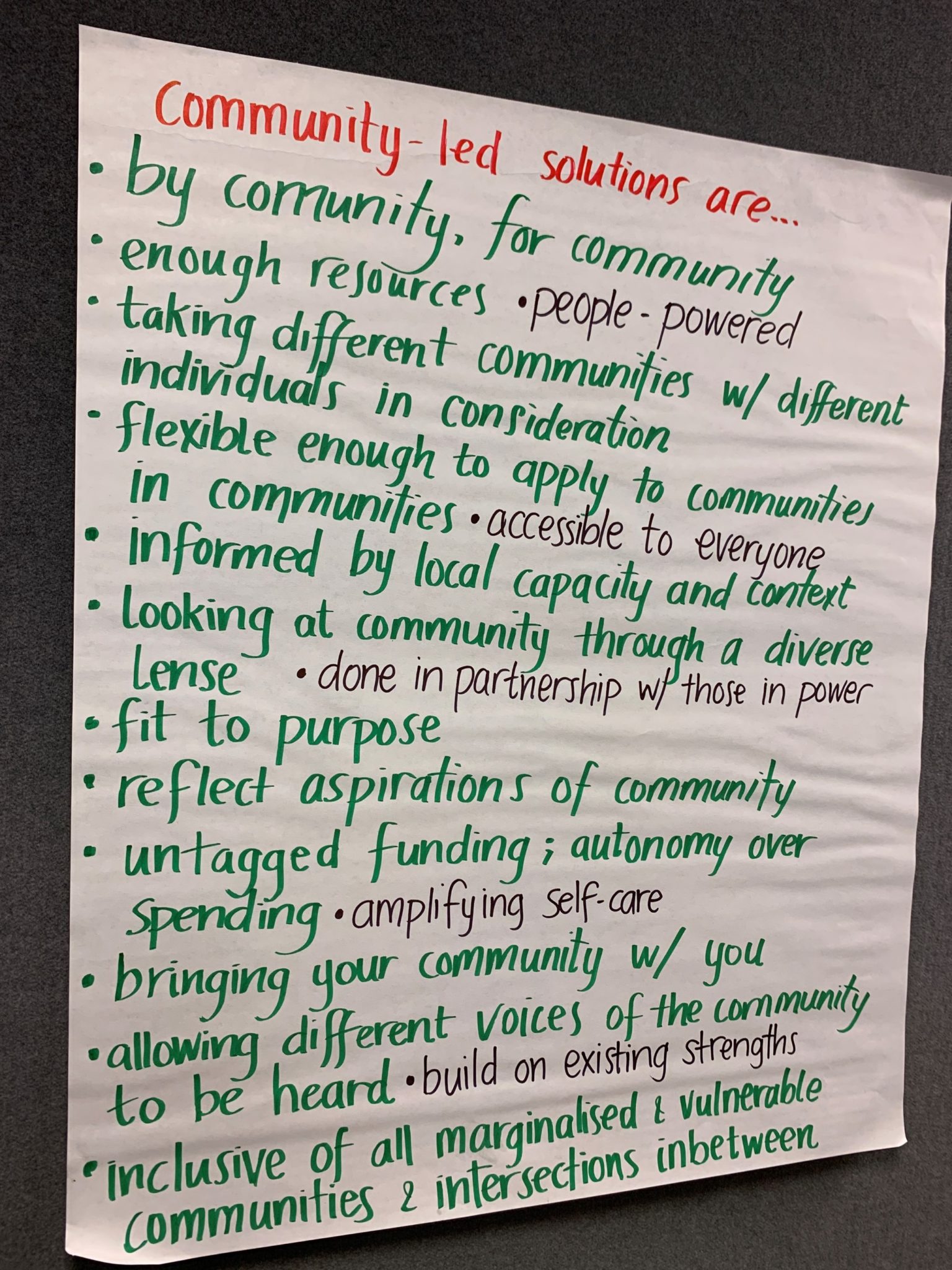
The Centre for Culture-Centred Approach to Research and Education (CARE) at Massey University has secured funding from the Joint Venture Business Unit, Eliminating Family Violence and Sexual Violence (JVBU) to provide co-design expertise for its project “Violence prevention needs of diverse communities”
CARE secures a grant on prevention of sexual violence and family violence
While family violence and sexual violence affect a broad range of people in Aotearoa New Zealand, some populations in New Zealand are disproportionately affected. These groups experience multiple and overlapping factors, including disadvantage, discrimination, stigmatisation, and isolation. Current prevention approaches are limited in addressing the needs of disabled people, new migrant communities, rainbow communities, and ageing communities. Moreover, needs and experiences are likely to differ across these four communities, including at the mutual intersections of these identities and intersections with Māori, Pacific peoples, young people, rural people, etc.
The proposed co-design process draws on the framework of the culture-centered approach (CCA) developed and fine-tuned by CARE Director Professor Mohan Dutta in identifying and co-creating community-led approaches to the prevention of sexual violence and family violence, and in building a national level framework for the prevention of sexual violence and family violence that is based on community participation. CARE will draw on the team’s experience over a decade working on violence-related community-led interventions across the globe with sex-workers, migrant communities, transgender communities, survivors of genocide, and refugees with experiences of trauma amongst others. The team draws on the insights developed by advisory groups of community members and community researchers who inhabit marginalised identities and come from the communities that are being researched.
The culture-centered approach (CCA) driving this co-design process places marginalised communities in the driving seat in shaping prevention solutions and in owning them. It creates a dialogic space for conversations between place-based locally-owned strategies of prevention and national level prevention strategies. The CARE team will partner with local diverse communities at the “margins of the margins,” key stakeholders, and the JVBU to produce an interim and a final report for Ministers, with recommendations on:
the violence prevention needs and aspirations of disabled people, new migrant communities, rainbow communities, and ageing communities
community-led prevention initiatives to be funded by the government
a longer-term prevention investment strategy that is anchored in community voices.
The work will draw on the key tenets of the CCA to build participatory spaces for disabled people, new migrant communities, rainbow communities, and older people to develop a community-led framework for the prevention of sexual violence and family violence. Notes Professor Mohan Dutta, Director, CARE, “This work offers a vital register for listening to the voices of communities who have hitherto been erased. Through the participatory spaces co-created with communities, imaginaries and frameworks for violence prevention solutions are generated that are anchored in the lived experiences and everyday negotiations of violence in marginalized contexts, situated in the rhythms of community life.”
The culture-centered process builds voice democracy at the margins, where community members who are most disenfranchised (at the “margins of the margins”) develop a conceptual framework for the prevention of sexual violence and family violence. Through community-based interviews, interviews with key stakeholders working with violence prevention, advisory groups, and workshops, the project will outline strategies for community-led prevention that are anchored in community voices and owned by communities.
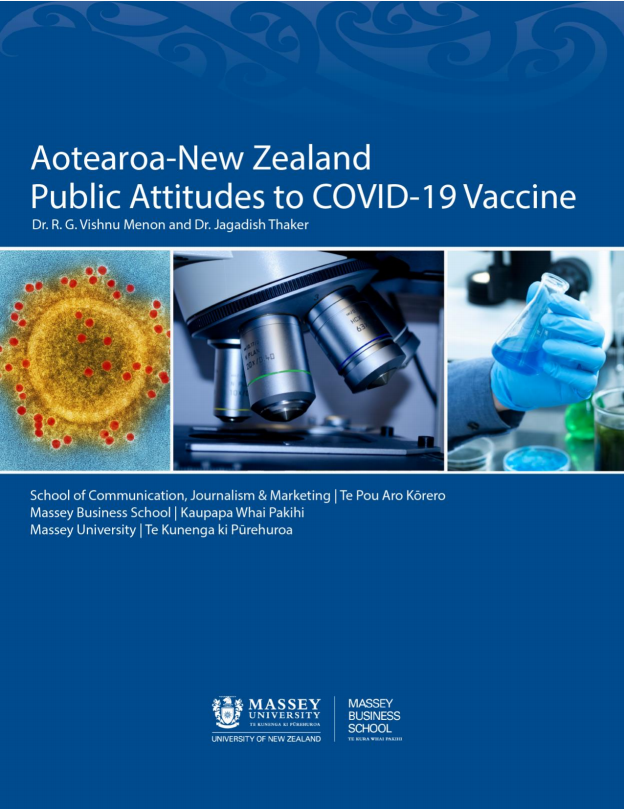
CARE faculty member Dr. Jagadish Thaker co-authored a piece on attitudes toward vaccines in Aotearoa New Zealand in 2020. Here’s Dr. Ashley Bloomfield citing the research in 2021, noting that one in four New Zealanders are hesitant to get vaccinated and the importance of focusing on reliable information from trusted sources.
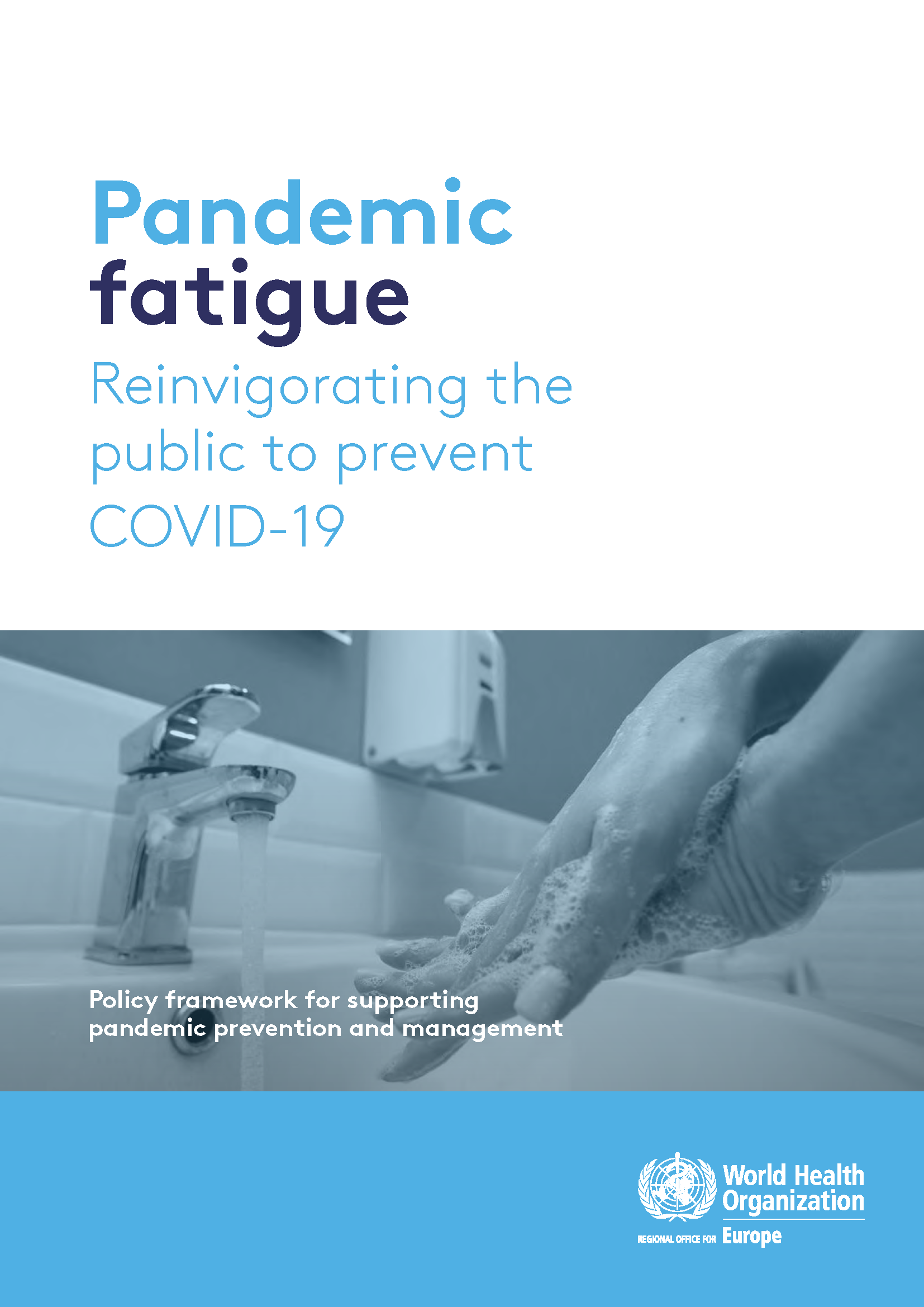
Professor Mohan J Dutta serves as an advisor on the WHO-Europe Expert Advisory Group on Cultural Contexts of Health. In this role, Professor Mohan Dutta offered expert insights into strategies for addressing pandemic fatigue. These insights are relevant now more than ever.
Understand people. Collect and use evidence for targeted, tailored and effective policies, interventions and communication.
Allow people to live their lives, but reduce risk. Wide-ranging restrictions may not be feasible for everyone in the long run.
Engage people as part of the solution. Find ways to meaningfully involve individuals and communities at every level.
Acknowledge and address the hardship people experience and the profound impact the pandemic has had on their lives.
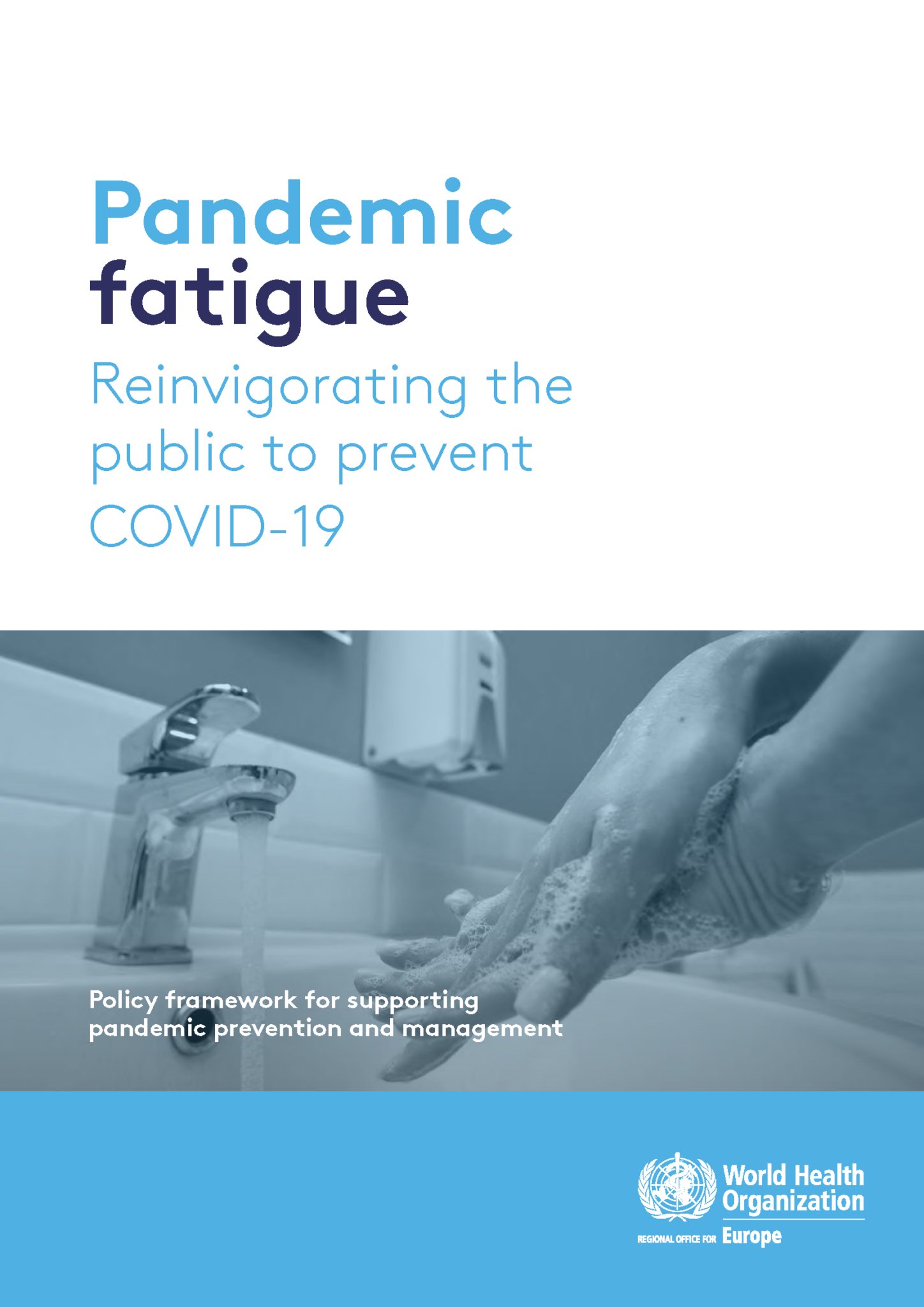
WHO Pandemic fatigue Reinvigorating the public to prevent COVID-19 & Prof. Mohan Dutta
Here is the link to the insights document & the pdf below:
ICA 2021 conference theme of Engaging the Essential Work of Care: Communication, Connectedness, and Social Justice
CARE: Center for Culture-Centered Approach to Research and Evaluation is looking forward to the opportunity to share our work at the 71st International Communication Association Conference #ICA21. This year’s virtual ICA conference is to be held on 27-31 May 2021 and has the theme “Engaging the Essential Work of Care: Communication, Connectedness, and Social Justice”.
The following manuscripts have been accepted for presentation
Negotiations of health among Rohingya Refugees in Cox’s Bazar, Bangladesh: A culture-centered approach to health and care by Mahbubur Rahman; Mohan Jyoti Dutta
Receiving healthcare while locked down: Voices from the margins in Aotearoa New Zealand by Phoebe Elers,Steven Elers & Prof. Mohan Jyoti Dutta
Extreme neoliberalism, migrant labour and COVID-19 outbreak in Singapore: A culture-centered interrogation by Prof. Mohan Jyoti Dutta
Migrant worker health as a human right: A culture-centered approach by Prof. Mohan Jyoti Dutta
Nobody Cares About Us: COVID-19 and Voices of Refugees from Aotearoa New Zealand by Pooja Jayan
If they cared, they’d listen:’ Culturally centering listening to disrupt the logics of community engagement by Christine Elers
Innocence lost: Community building as praxis by Prof. Mohan Jyoti Dutta, Prof. Shiv Ganesh & Christine Elers
In addition to: ‘Prejudice toward the “Other” during the Covid-19 Pandemic’ by Stephen Croucher, Thao Nguyen, Mohan Dutta & Doug Ashwell, along with fellow academics Tatiana Permyakova & Oscar Gomez
The ICA 2021 conference theme of Engaging the Essential Work of Care: Communication, Connectedness, and Social Justice calls for our examination of how care forms the fabric of our social and interconnected lives. From the moment that we enter this world we are completely dependent on the care of others, and as we move through our lives, the care of our teachers, doctors, leaders, and artists shape us into the adults that we are today. Even as we leave this earth, on our last days, we are comforted by the care of loved ones.
“Care” can be understood from a variety of perspectives relevant to communication. Namely, care can refer to:
Providing Assistance for Others (She takes care of my aunt.)
Being Interested in a Topic/Issue/Idea (They care about the notion of compassion.)
Concern about Others’ Well-Being (He cares what will happen to his children.)
The Provision of Needed Attention or Resources (Do they provide care at the hospital?)
The concept of care can also be understood from at least two vantage points that intersect with those meanings: self-directed and community-centered. The relative priority of self and community care within a given community reflects deeply embedded cultural values, experiences of oppressions, access to resources, and histories of trust.
The concept of “care” requires our thoughtful examination and reflection. Against the backdrop of the COVID-19 pandemic, the crisis of climate change, and militarized police brutality that continues to target, harass, and kill people of color, the urgency of care to address entrenched inequalities, an overarching climate of neglect, and a global political economy of individualized self-help has been rendered visible. Communication emerges in this backdrop as a transformative site for re-working care, anchoring it in relationships, communities, organizing processes, media systems, and social formations. Care is both constituted by and constitutive of communication, as a register for creating spaces of compassion and connectedness.
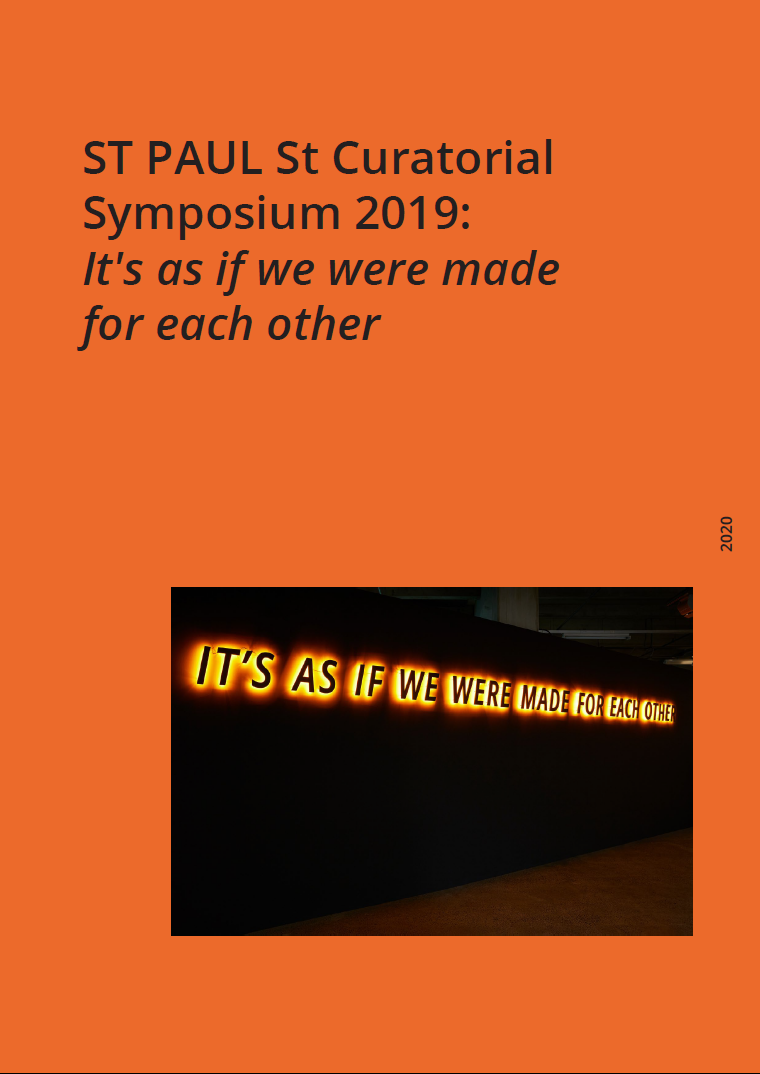
at ST PAUL St Curatorial Symposium 2019: It’s as if we were made for each other
Source: Deborah Rundle, Made for Each Other, 2019. Photo: Sam Hartnett.
About ST PAUL St Curatorial Symposium 2019:
This is the eighth in a series of symposia for ST PAUL St that have been concerned with artistic and curatorial practices as they relate to knowledge production, exhibition-making, and relational commitment. It has been our privilege to be a part of the ST PAUL St Symposium almost every year since its beginning in 2012 as attendees or contributors, and to convene it this year together. The lasting impression of the series, and the experiences with which we have been coming and going and our reasons for returning, is what we hope to bring to the fore this year. The 2019 Curatorial Symposium extends the core concerns of sociability in the 2019 ST PAUL St exhibition How to Live Together, which was guided by the coupled question: What is the intimacy we must develop to create a community? What is the distance we must maintain to retain our solitude?
The programme over the following two days is facilitated by Te Kawehau Hoskins and Alison Jones, Mohan J. Dutta, artists Fiona Amundsen and Pallavi Paul, and regenerative practitioner Lucy-Mary Mulholland.
What a truly poignant and interesting year 2020 has been! In this video, CARE Director Mohan J Dutta reviews the highs and lows of 2020 and what CARE has on the 2021 horizon!